ECS-BNotes
Blog
2026-11-16
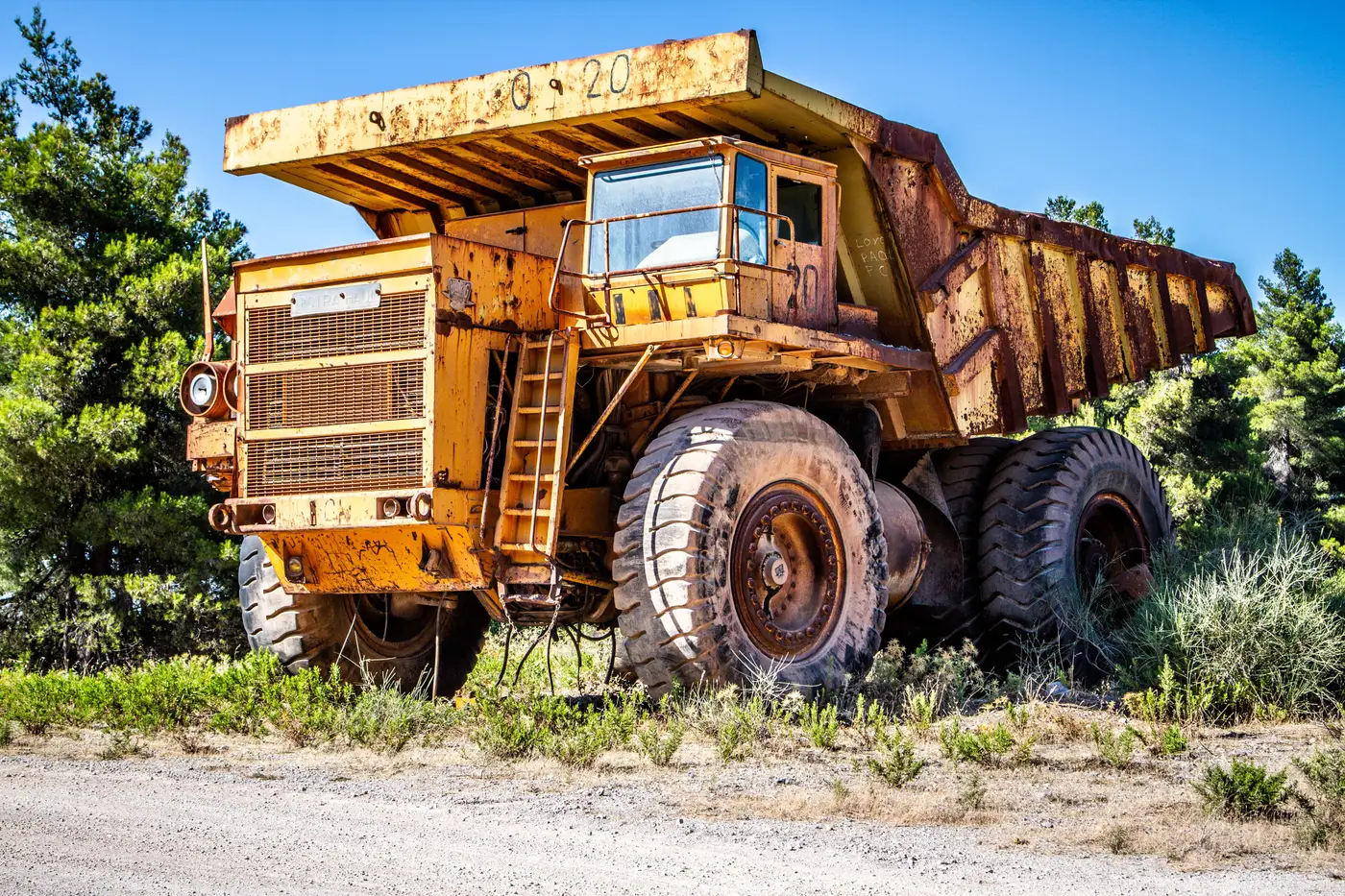 Field notes: the loader that graded a tier older than its own paperwork
A wheel loader's title read one generation. The casting under the paint read another. Field notes on paper-year drift and grading the metal.
2026-11-16
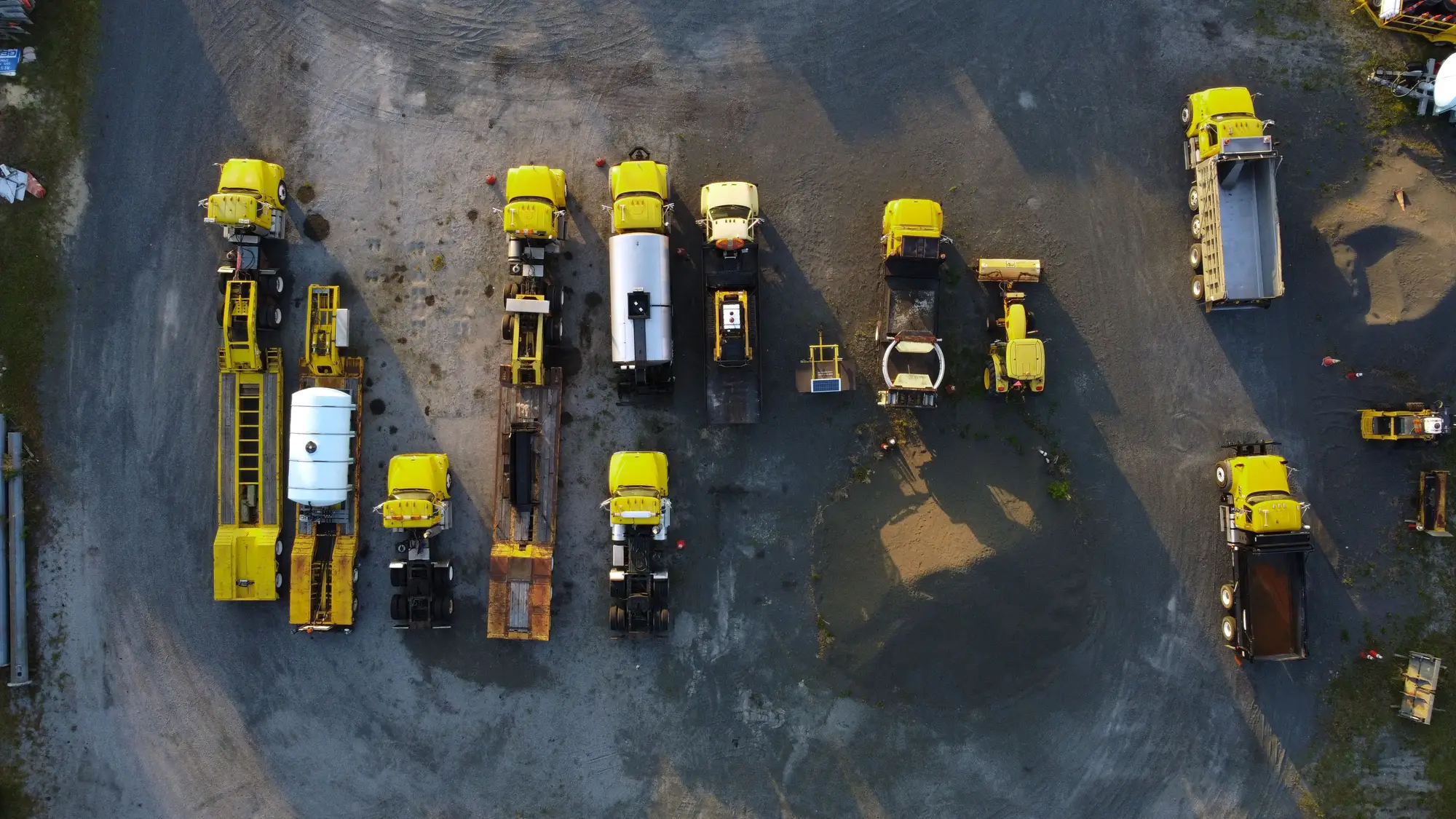 Graded machine roster vs. fleet appraisal report: what's the difference?
A graded machine roster ranks units by condition from a flyover. A fleet appraisal report prices them. Here's when a remarketer needs which.
2026-11-09
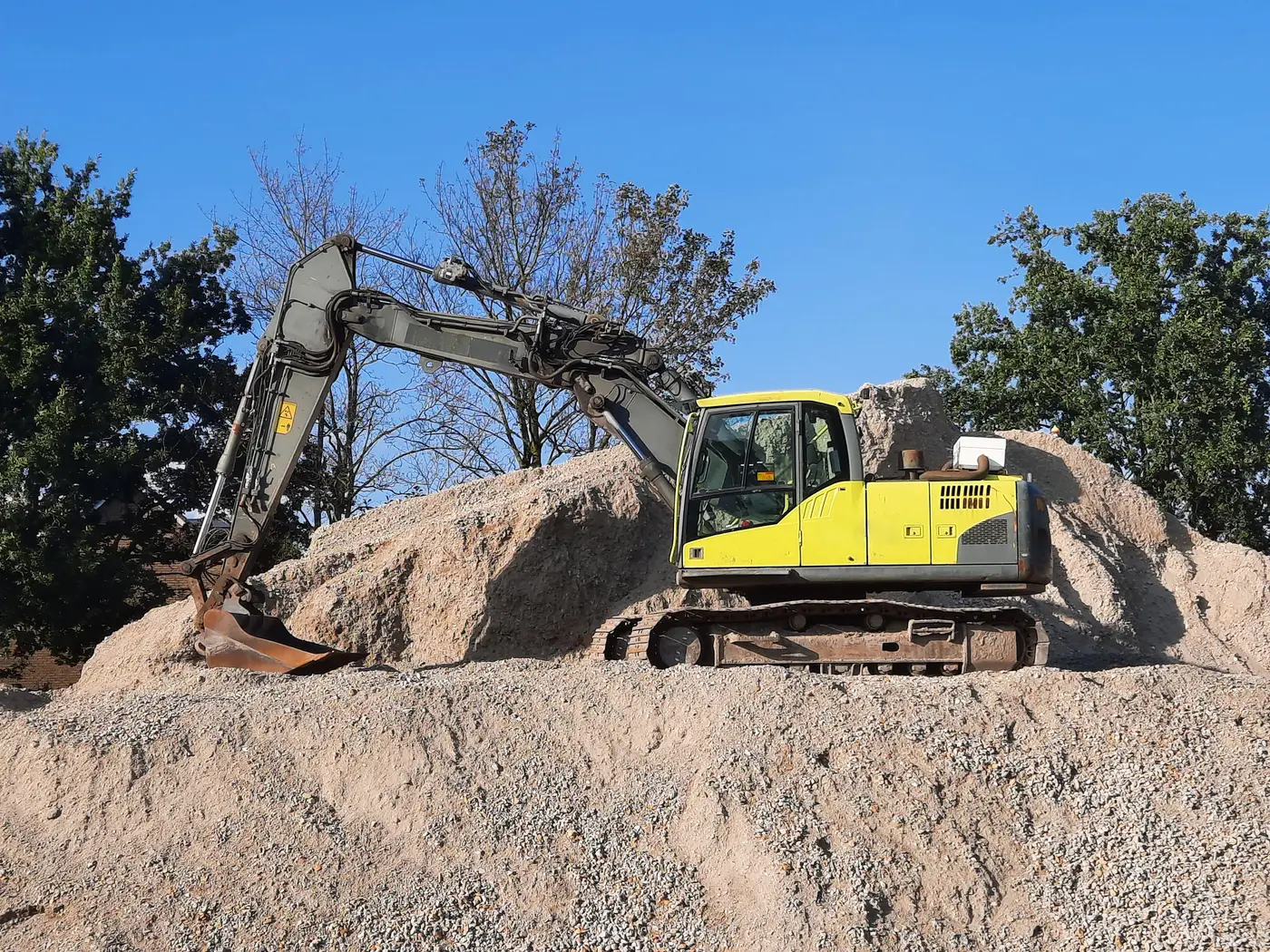 Tier 3 vs Tier 4 Final: what engine emissions tell you about a used machine's value
How Tier 3, Tier 4 Interim, and Tier 4 Final emissions standards map to model year and move resale value on used equipment.
2026-11-09
What a borrowing base certificate covers when the collateral is equipmentA plain look at how a borrowing base certificate works in equipment finance, and why eligible collateral often comes down to condition, not just age.
2026-11-02
Field notes: the yard where the newest machine ranked worstA three-year-old loader outscored an eight-year-old one on paper and lost on paint. Why model year and condition grade keep splitting on remarketing lots.
2026-11-02
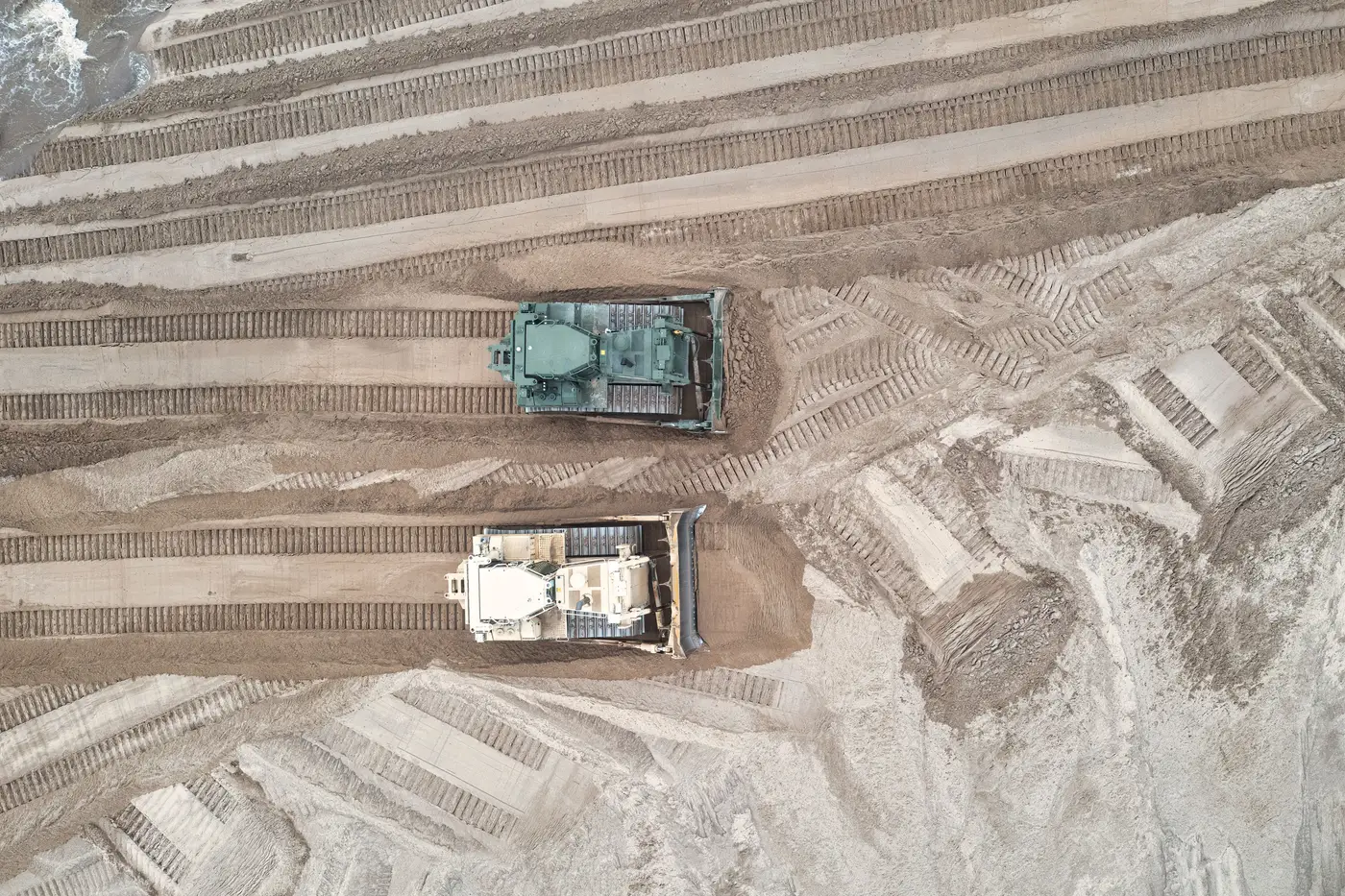 How to stratify a mixed fleet by model family before a consignment sale
A practical way to sort a mixed fleet by model family before consignment, so condition grading and reserve prices actually hold up at auction.
2026-10-26
How to sequence a yard walk when you can't inspect every machineA field-tested way to triage which machines in a yard get a hands-on inspection first when you can't walk the whole fleet.
2026-10-26
Wear item vs. structural defect: what actually moves a gradeA field guide to telling wear items from structural defects on a heavy equipment inspection, and why the distinction decides your grade.
2026-10-19
The week before the gavel: ranking a hundred-machine fleetNotes from the scramble of ranking a hundred-machine fleet the week before the gavel, and why the old grading methods run out of time.
2026-10-19
OLV vs. FLV: orderly liquidation value in heavy equipment lendingOLV and forced liquidation value aren't the same number. What each means for a lender setting an advance rate against equipment collateral.
2026-10-14
Undercarriage wear vs. track sag: reading crawler dozers from the airHow to separate track sag from real undercarriage wear in aerial photos of crawler dozers, before you write a condition grade.
2026-10-14
What is blue book value in heavy equipment, and why condition moves itBlue book value in heavy equipment explained: what EquipmentWatch guides price in, why condition grade swings the number, and setting an auction reserve.
2026-10-13
Trade-in appraisal vs. auction consignment: how condition grade changes the offerHow a machine's condition grade shifts the math between a dealer trade-in and an auction consignment, and which route pays off at different grade levels.
2026-10-13
What is end of economic life for heavy equipment?End of economic life is the point a machine costs more to keep than to replace. Here's how it differs from physical life and why it drives resale timing.
2026-10-07
Auction condition grades vs. what you can see from the airAuction sheet grades come from a ground inspection. Here's what an aerial pass can and can't tell you about fleet condition before a sale.
2026-10-07
Reading an excavator's generation off the boom and cab before you ever see the plateHow boom profile, cab glazing, and counterweight shape pin down an excavator's model generation without a serial number or a site visit.
2026-10-07
How to spot rust bloom and paint fade in aerial equipment photosHow to tell rust bloom from paint fade in aerial equipment photos, and why both matter for grading a fleet before resale.
2026-10-07
What is residual value in heavy equipment, and why the curve lies to youA plain explanation of residual value in heavy equipment, how the standard depreciation schedule gets built, and where it breaks on real fleets.