ECS-B2026-10-19
The week before the gavel: ranking a hundred-machine fleet
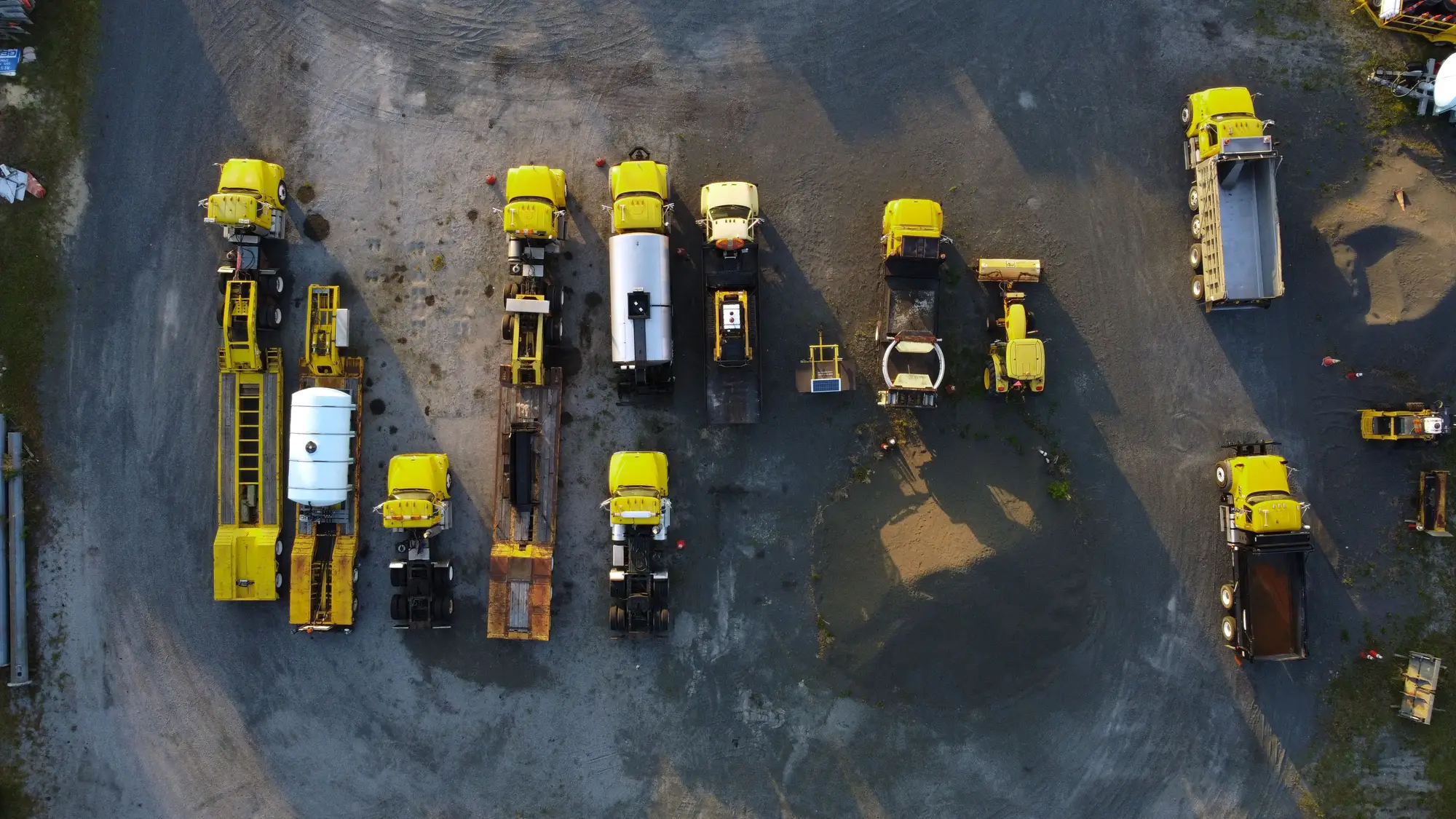
Every consignor who has run a big sale knows the week. The catalog deadline is set, the auction house wants lot order, and somewhere in a spreadsheet are a hundred-plus units that all need a grade before anyone can set a reserve. Dozers, scrapers, articulated trucks, a dozen loaders that look identical from forty feet away. Ranking a hundred-machine fleet the week before the gavel is not a research project. It is triage.
The usual fix is a crew. Two guys, a truck, a stack of inspection forms, three days to walk a yard that took the owner a decade to fill. They climb cabs, check hour meters, kick tires, note the obvious stuff: cracked glass, a bent ROPS, undercarriage wear on the crawlers. By day two they are moving faster than they should, because the calendar does not care that unit 67 deserves the same twenty minutes as unit 12 got. Grades start drifting toward "fine" by Thursday afternoon. Nobody plans for it, it just happens when the work outpaces the week.
The other fix, more common than anyone likes to admit, is pulling last year's condition notes and hoping nothing changed. A machine that got a B-minus at the spring inspection gets re-stamped B-minus for the fall sale, even though it sat outside through a hailstorm and six more months of duty cycle. The paperwork looks thorough. It is really just last season's opinion wearing a fresh date.
What gets lost in both approaches is comparability. A grading sheet filled out by one inspector on Monday and a different inspector on Thursday is not one scale, it is two people's judgment stitched together and called consistent. Buyers at the sale can tell. A fleet that reads clean on paper but shows daylight between units once the gavel drops earns a reputation, and reputations follow a remarketer from one consignment to the next.
The part that is easy to miss from the office is how much a fleet actually tells you before anyone opens a door. Paint fade, panel condition, the generation of sheet metal and counterweight design on a given model line, these are visible from outside the cab and they correlate with how a machine has been used and how close it sits to the end of its working life. A crew walking the yard is reading exactly these cues, just slowly, one unit at a time, with fatigue setting in by unit forty.
That is the piece worth separating from the headcount problem. The signal a walking inspector relies on, surface wear and model-generation tells, does not require a person standing next to the machine to read it. It can come off an overhead pass of the yard, flown once a year, resolved fine enough to tell a 2015 undercarriage from a 2019 one and to catch the oxidation and panel wear that mark a unit heading toward the back of the lot order. Equipment Condition Scoring builds that into a ranked roster, site by site, so the grading work starts from a read on the whole yard instead of from whichever units the crew reached before the fuel ran low.
None of this replaces a buyer's own pre-sale inspection. Nobody bidding six figures skips kicking the tires themselves. What it changes is the week before the catalog goes to print, when the job is not inspecting one machine closely but ranking a hundred of them against each other fast enough to set lot order that holds up once the bidding starts.
If your next sale has more iron than your crew has days, it might be worth seeing what a yard-wide ranking looks like before you build the catalog by hand.