ECS-B2026-10-13
Trade-in appraisal vs. auction consignment: how condition grade changes the offer
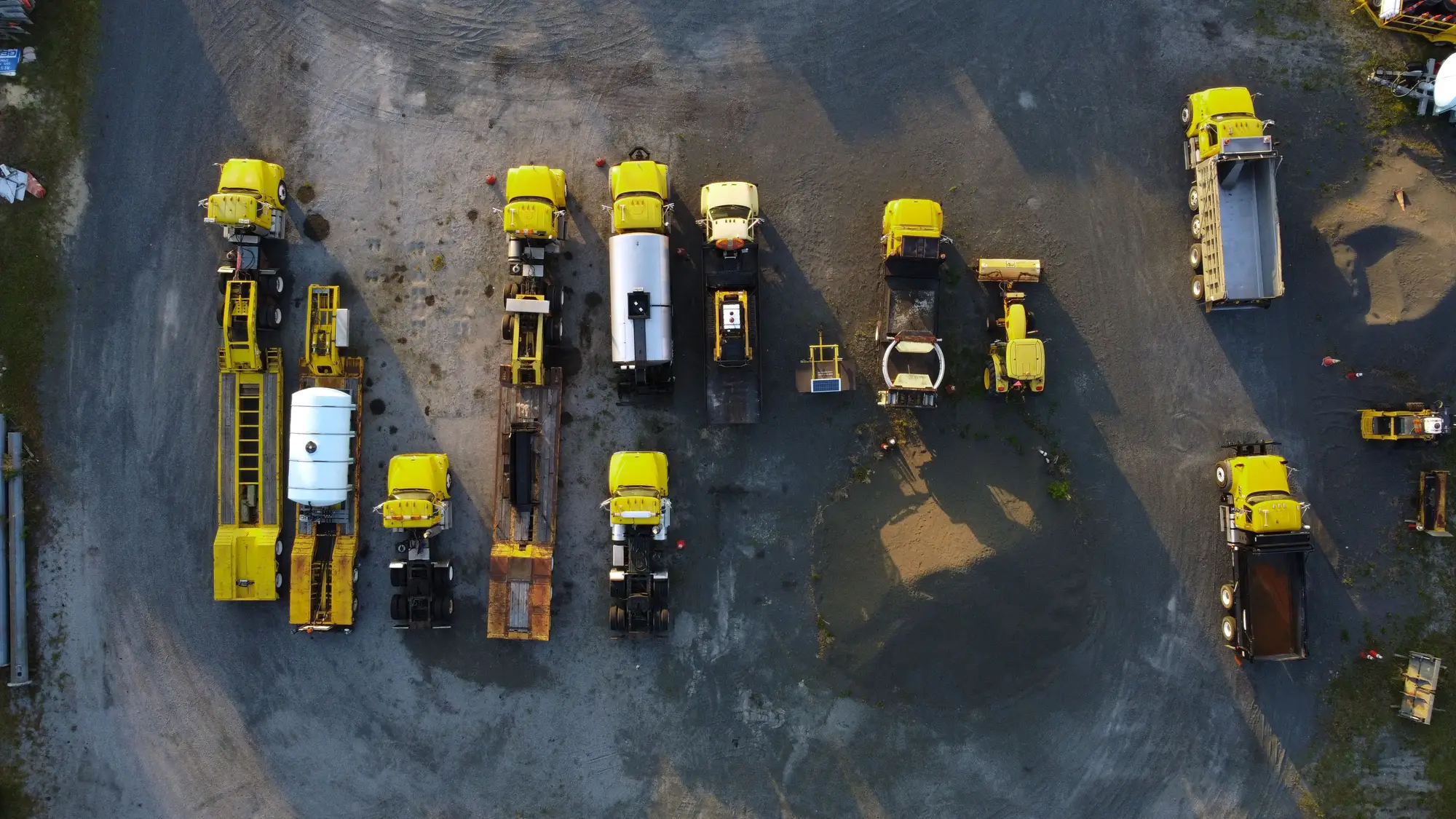
A machine comes off a job site and someone has to decide what happens to it next. Trade it in against the new purchase, or send it to auction and let the gavel set the price. The answer depends less on the brand or the hour meter than most people assume. It depends on condition grade, and on which route pays for the grade the machine is actually in.
What the dealer is pricing when you trade in
A dealer taking a trade-in is pricing certainty. They work from the model year, the general wear pattern, and maybe a quick walk-around, then bake in a cushion because they'll own whatever surprises show up after the deal closes. That cushion is where trade-in value splits from auction value equipment owners see at the block.
A machine graded as tight, with clean undercarriage, intact paint, no visible structural fatigue, gets a trade-in number close to what a clean retail comp would suggest. A machine with the same hour meter but rough surface condition, rust bloom, cracked glass, uneven wear, gets hit twice: once for the condition itself, and again because the dealer assumes there's more wrong underneath that a quick walk-around didn't catch. Dealers price the unknown conservatively. A rough-looking machine reads as a bigger unknown even if the mechanical state underneath is fine.
Why auction consignment prices the grade differently
Auction buyers are a different crowd. They're often other equipment dealers, independent operators, or exporters who know the model line cold and are comfortable doing their own risk math in real time, bidding against a photo lot and a condition report rather than a guaranteed title. That changes how grade affects price.
A top-grade machine at auction can outperform a trade-in offer, because buyers bidding against each other will pay up for a unit that photographs clean and matches a late-generation model they want. But a mid-to-low grade machine at auction can underperform a trade-in, because the buyer pool at that condition tier is thinner and more price-sensitive. Nobody's bidding it up out of brand loyalty. They're bidding what they think they can resell it for after their own reconditioning spend, and that number drops fast once surface condition signals deferred maintenance.
So the honest version of the trade-in value vs auction value equipment comparison isn't "auction always wins" or "trade-in always wins." The crossover point sits at the condition grade, and most fleet operators are guessing at that grade instead of measuring it.
Where the guessing costs money
The usual way a fleet gets graded before a disposal decision is a walk-around by whoever's available, sometimes a logbook review, rarely a full workshop teardown because that costs more than the decision is worth for most of a fleet. That means the grade going into the trade-in-versus-auction call is often a rough call made under time pressure. It tends to run optimistic on units the owner is attached to and pessimistic on units nobody's looked at closely in two years.
A defensible grade, run across the whole fleet at once rather than machine by machine, changes that. If a site's roster comes back showing which units sit near end of economic life based on vintage and surface wear, the disposal call stops being a guess and starts being a ranking: these three go to auction because the market for this model generation still has bidders willing to pay up for clean examples, these two go to trade-in because their grade puts them in the range where a guaranteed number beats a thin auction pool.
That's the gap Equipment Condition Scoring is built to close, a graded roster read off a flyover rather than a shop visit, so the choice between trade-in and consignment is based on where each machine sits in its life right now, not on which route happened to be easier to arrange that quarter. If you're staring down a fleet-wide disposal decision and want the grading done before you make the call, the landing page walks through what the graded roster looks like.