ECS-B2026-11-02
Field notes: the yard where the newest machine ranked worst
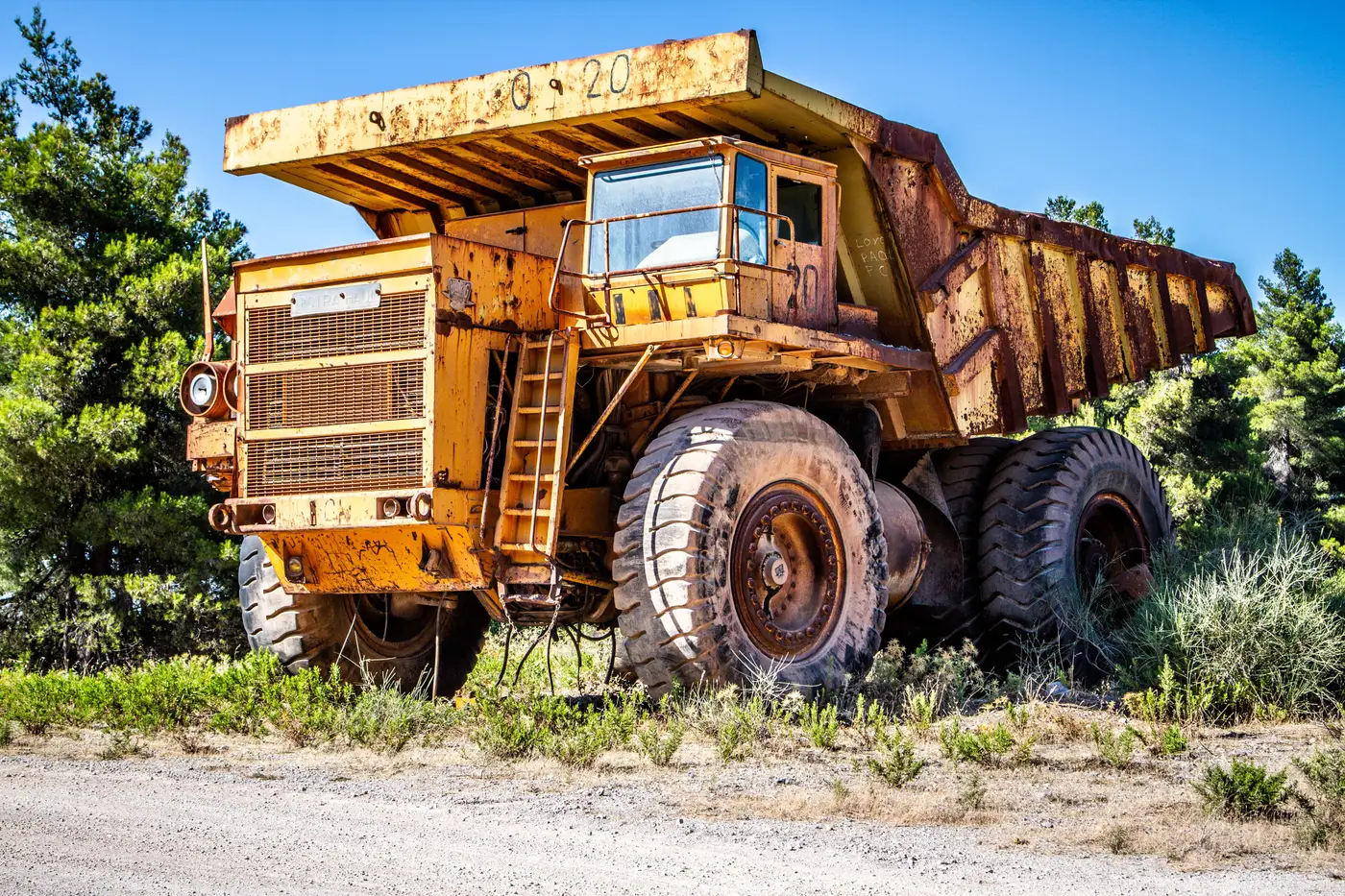
Walk enough yards before an auction and you start to expect the surprises, just not where they show up. The one that stuck with me this fall was a wheel loader, barely into its third year on the hour meter, parked two rows down from a machine nearly a decade older. On paper the younger unit should have walked away with the better grade. It didn't.
The older loader had spent most of its life under a lean-to, moved indoors between shifts, washed down on a rough but regular schedule. The paint had faded some, the decals had gone chalky, but the sheet metal was clean and the undercarriage looked tended. The younger machine had been working a coastal aggregate yard, outdoors year-round, salt air on the boom and counterweight every day it sat idle. Three years in, it already had the surface rust bleed and oxidation you'd expect from a machine twice its age.
That's the part that trips people up when they're building a roster off the hour meter and the title alone. Model year tells you when a machine was built. It doesn't tell you where it's been parked.
Vintage and condition aren't the same column
Remarketers already know this in their gut, it's why nobody prices purely off age. But when you're trying to triage forty or sixty units across a site before the real inspection budget gets allocated, age is often the fastest thing to sort by, because it's the thing that's easiest to pull from a spreadsheet. Condition takes a walk, a set of eyes, time nobody has before the first round of calls goes out.
The loader in that coastal yard would have sailed through a desk review. Low hours, recent model generation, clean title. It's only once you're standing next to it, or looking at a close pass over it, that the gap between what the paperwork says and what the surface says becomes obvious. Salt, sun, and an outdoor life had put more wear on that frame in three years than the older unit had taken on in eight.
What the surface tells you
Paint condition, panel corrosion, decal fade, and rust bleed around fasteners and seams aren't cosmetic footnotes. They're the fastest read you get on how a machine has been kept, independent of what the compliance file says about service intervals. A unit stored outdoors in a high-salt or high-UV environment degrades on the surface well ahead of anything a mechanic would flag on a bench inspection, and that surface read is available long before anyone opens a hood.
Equipment Condition Scoring reads those model-generation cues and surface condition straight off an annual flight, and ranks a fleet by how close each unit sits to end of economic life. The roster that comes back separates vintage from wear, which is exactly the distinction that loader yard made the hard way.
It's a small thing to miss on a spreadsheet and an expensive one to miss on an auction floor. A buyer who shows up expecting a three-year-old machine and finds an eight-year-old paint job isn't going to bid like he just saw good hours and a clean title. He's going to walk the row twice and knock the number down himself.
If you've got a fleet where the hour meter and the yard don't agree, that's worth a second look before the roster goes out.