ECS-B2026-11-16
Graded machine roster vs. fleet appraisal report: what's the difference?
Someone on your team asks for "an appraisal on the Phoenix yard" and someone else hears "a condition read on the Phoenix yard." Those are two different documents, built two different ways, and handing a lender the wrong one costs you a week.
What a fleet appraisal report actually covers
An appraisal report is a dollar figure, unit by unit, signed by someone qualified to put their name on it. A certified appraiser (or your own senior valuator) walks the lot, opens hoods, checks hour meters, notes undercarriage wear, pulls comps off recent auction results, and lands on a fair market value or orderly liquidation value per machine. Lenders want this for collateral files. Buyers want it before they write a check on a block of units. It's the document that survives a dispute.
It also takes physical access. Someone has to be on-site with the machine, and for a fleet of 150 or 300 units spread across two or three yards, that's days of walking, climbing, and writing up notes before the numbers even get typed.
What a graded machine roster is
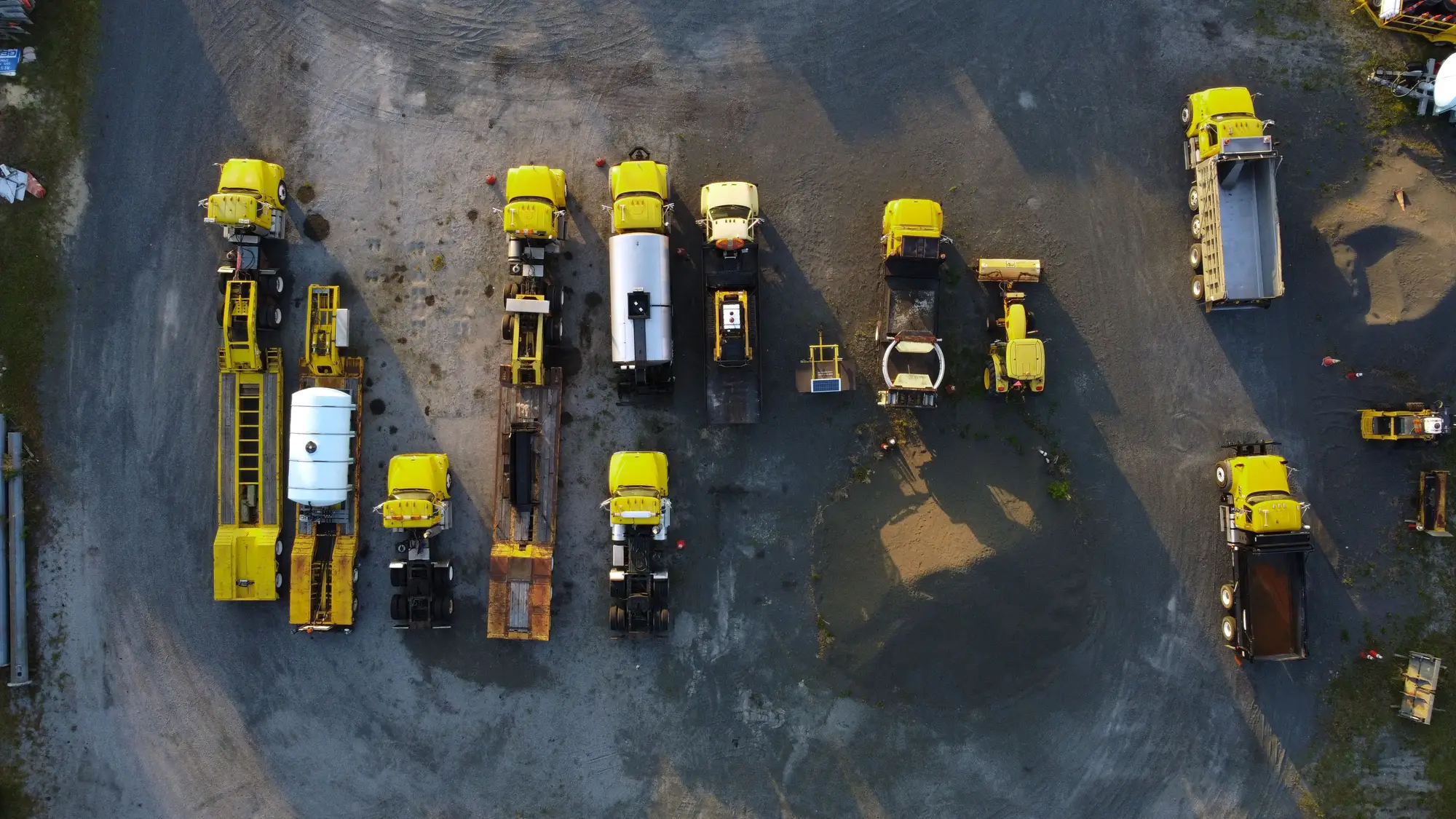
A graded machine roster is a different animal. It's a list of every unit at a site, ranked by how close it sits to end of economic life, built from model-generation cues and surface condition read off an annual flyover, sub-10 cm resolution, no boots on the ground required. Each line gets a model era, a condition grade, and a rank against the rest of the fleet. No dollar figure attached. No appraiser signature. It's not trying to be the appraisal.
What it does instead is tell you which units are worth sending an appraiser to look at first. A roster across 300 machines will surface the 30 or 40 that read as oldest-generation and roughest-surfaced, the ones closest to the end of their useful life, before anyone drives out there. A remarketer deciding where to focus trade-in offers or auction consignments uses that rank to triage, then calls in the appraisal on the units that actually warrant it.
Where the two documents diverge
The appraisal needs access to the machine, a person with eyes on hour meters and undercarriage. The roster works off imagery captured once a year and doesn't require anyone to step inside a cab. The appraisal produces a number that goes in a loan file or a bill of sale. The roster produces a rank and a grade that tells you what to do next, which units to inspect, which to list, which to leave sitting for another season.
They're not competing documents. A roster like the one Equipment Condition Scoring builds is the triage step that happens before the appraisal, not instead of it. Run the roster across a fleet, see which units rank oldest and roughest, and send the appraiser only where the rank says it's worth the trip.
Which one a remarketer actually needs
If a lender wants collateral value for a loan, or a buyer wants a defensible number before purchase, you need the appraisal. There's no shortcut around that signature.
If you're staring at a fleet of several hundred units across multiple sites and trying to figure out where to start, a workshop inspection on every machine isn't realistic and a full appraisal roll-up is slow and expensive before you even know which units matter. That's the gap a graded roster fills. It doesn't replace the appraisal. It tells you which third of the fleet is worth getting one.
Most remarketers end up using both, in sequence: roster first to rank the fleet, appraisal second on the units the rank flags as close to end of life.
Request early access if you want to see how a graded roster would read against your own fleet.