ECS-B2026-11-09
What a borrowing base certificate covers when the collateral is equipment
A borrowing base certificate (BBC) is the monthly or quarterly form a borrower files that tells the lender what collateral is sitting behind the loan right now, and how much of it the lender is willing to count. For inventory or receivables this is routine paperwork. For a fleet of heavy equipment, it gets more interesting, because the collateral doesn't have a clean aging schedule the way an invoice does. A dozer either runs or it doesn't, and a BBC that just lists serial numbers and purchase dates doesn't tell a credit officer much about what that machine is actually worth today.
What goes into the number
The basic math on a BBC is simple: take the eligible collateral, apply an advance rate, and that's the base the borrower can draw against. The complexity lives in the word "eligible." Lenders carve out ineligible units for a handful of reasons: equipment past a certain age, units out on long-term lease to a third party, anything with a title defect, equipment at a location the lender hasn't field-examined, and machines the lender just doesn't believe are worth what the depreciation schedule says they're worth.
That last category is where most of the friction sits. A ten-year-old wheel loader with 6,000 hours and tight paint can be worth more than an eight-year-old unit from the same model line that's been run into the ground. Book value doesn't know the difference. The advance rate the lender applies is supposed to reflect orderly liquidation value. In practice, OLV estimates on a fleet-wide basis get built off dealer surveys and auction comps, a shortcut that skips the actual iron entirely.
Why "eligible" keeps coming back to condition
Most field exams for an equipment-backed facility still mean someone walking the yard with a clipboard, or a desktop appraiser working off photos the borrower sent in. Both approaches work, but neither one scales well across a fleet spread over several sites, and both tend to happen once at closing and then not again until the next annual review, if that. In between, nobody's really watching whether the collateral base is holding its value or quietly eroding.
That gap matters more at renewal and at monitoring, when the lender wants to know if the advance rate still makes sense, not just at origination when everyone's incentives point toward getting the deal done. A borrower disputing a reserve, or a lender trying to decide whether to tighten eligibility criteria on an aging fleet, needs something more current than a photo set from eighteen months ago and more granular than a blue-book average.
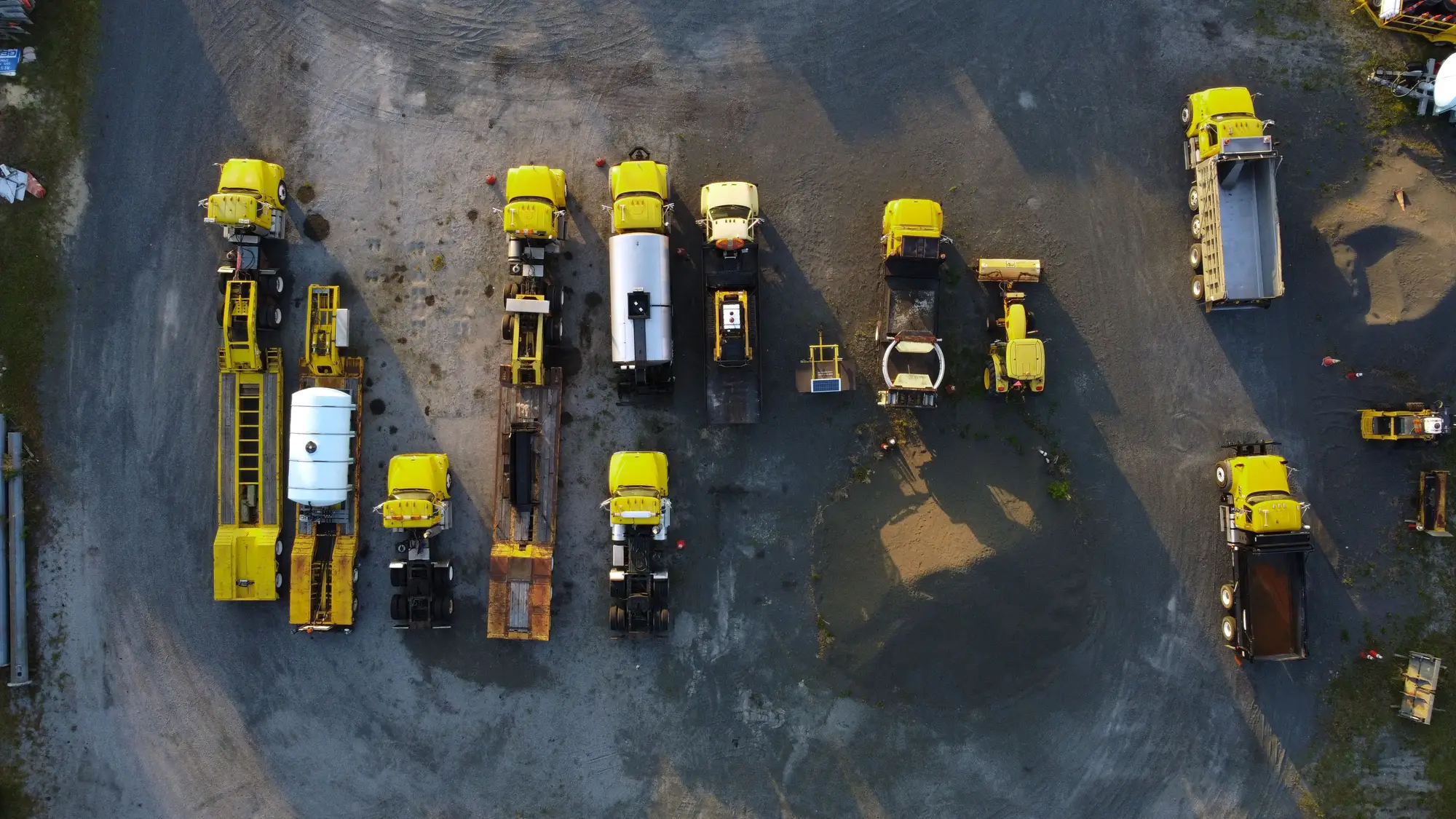
This is the gap Equipment Condition Scoring was built around. It reads a fleet from a sub-10 cm aerial pass, drone or crewed aircraft, flown annually, and works out model generation and surface condition for each unit without anyone opening a hood. The output is a graded roster per site: model era, a condition grade, and a rank showing how close each machine sits to the end of its economic life. For a lender or remarketer who needs a defensible read ahead of a resale, a trade-in, or a borrowing base decision, that roster is a faster starting point than a yard walk, and a more current one than last year's appraisal.
Where this fits in the credit file
None of this replaces a title search, a UCC filing check, or a proper field exam when the facility size calls for one. What it does is give the person building or reviewing the BBC an independent, repeatable read on condition that sits alongside the depreciation schedule instead of relying on it alone. If the fleet roster shows a cluster of units flagged as near end of economic life, that's worth raising before the next advance rate gets set. Waiting until a unit shows up at auction for half of book is a far more expensive way to find the same thing out.
If your facility is sized against a fleet and the annual review is coming up, it's worth seeing what a condition-graded roster for your sites would show.