ECS-B2026-11-09
Tier 3 vs Tier 4 Final: what engine emissions tell you about a used machine's value
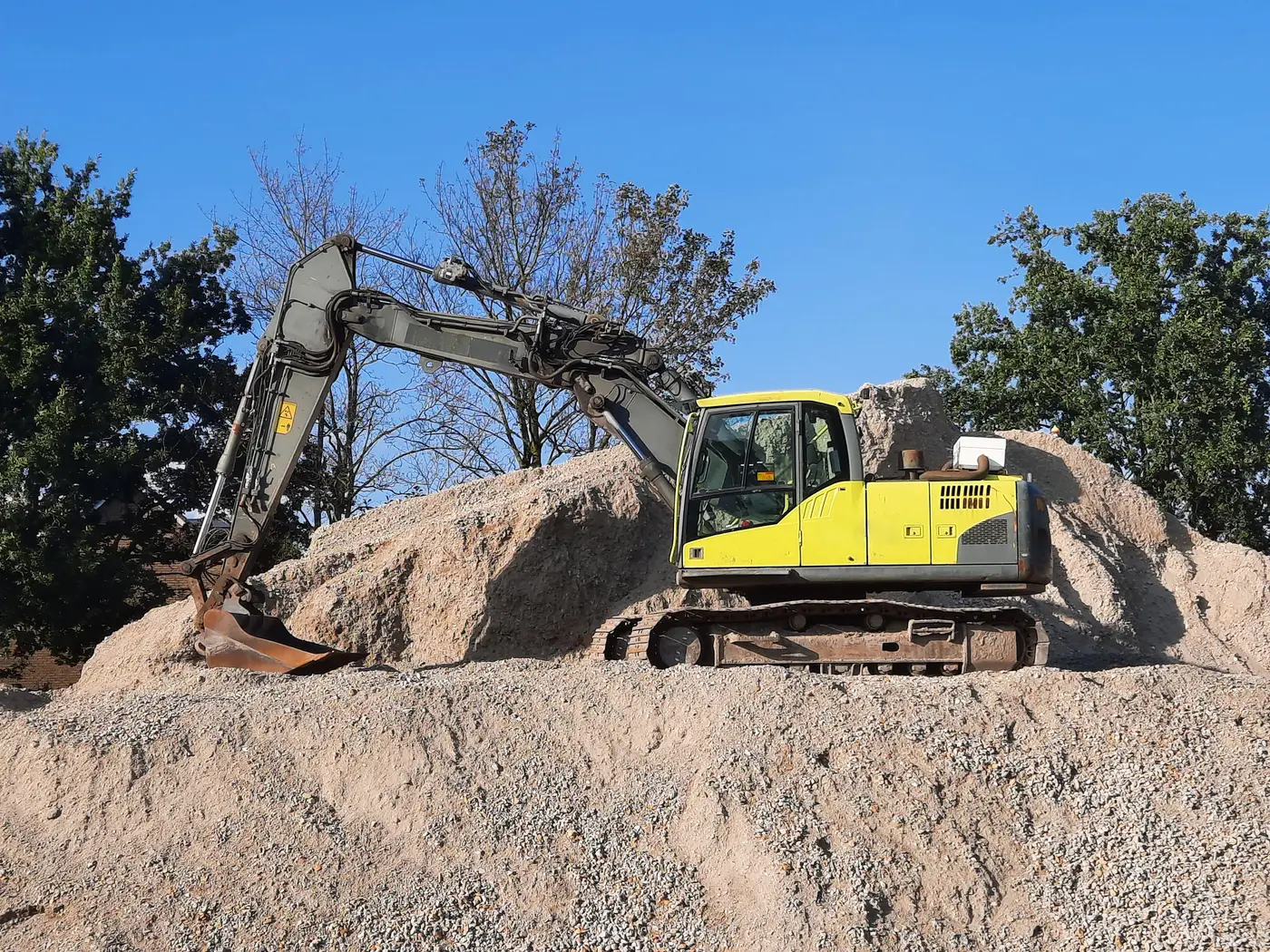
Ask any used-equipment buyer what year a dozer or excavator was built and most will tell you the tier before they tell you the model year. Tier 3, Tier 4 Interim, Tier 4 Final: these aren't just EPA paperwork categories, they're shorthand for how the engine was built, what it costs to keep running, and who's allowed to buy it.
The three tiers, in plain terms
Tier 3 covers off-road diesel engines built roughly through 2008 on most horsepower bands. No diesel particulate filter, no selective catalytic reduction, no DEF tank. The emissions control sits mostly in the combustion itself. These engines are mechanically simple by today's standards, which is exactly why a lot of buyers in secondary markets still want them.
Tier 4 Interim showed up between roughly 2008 and 2012, depending on horsepower class, and added a DPF to trap soot. Tier 4 Final, phased in from around 2011 through 2015 across horsepower bands, layered on SCR and a DEF tank to cut NOx further. A Tier 4 Final machine has a longer exhaust stack, a second fluid tank next to the fuel tank, and usually a visibly larger aftertreatment box bolted onto the engine bay.
That's the regulatory story. The resale story runs alongside it.
Why the tier shift still moves resale numbers
A Tier 3 machine coming up for auction is a known quantity to a lot of fleet buyers. No DPF to regen, no SCR system to fail, no DEF freezing in cold climates. Mechanics who've been turning wrenches for twenty years know these engines cold, and parts are everywhere. That keeps demand steady in markets that don't restrict Tier 3 resale, even as the machines age.
Tier 4 Interim sits in an awkward middle. It inherited the DPF without the SCR, which means it carries some of Tier 4's complexity without the fuel-economy gains Tier 4 Final buyers expect. Remarketers often price it closer to Tier 3 than to Tier 4 Final unless the machine has unusually low hours.
Tier 4 Final carries a premium in markets where it's required for compliance, and a real cost if the DEF system or SCR catalyst has been neglected. A clean Tier 4 Final unit with service records sells well. One with a DEF warning history or a patched exhaust stack can lose more value than its Tier 3 counterpart loses to age alone, because the repair bill on an SCR system isn't small.
None of this is abstract to anyone who's priced a fleet for a lender or a consignment sale. The tier marks the emissions compliance window, and the compliance window decides which buyers can even bid.
Reading tier cues without opening the hood
The tier doesn't show up on a spec sheet handed across a yard. It shows up in the shape of the machine: the exhaust configuration, the DEF tank bracket, the size of the engine cover. A Tier 3 dozer and a Tier 4 Final dozer of the same model line look different enough from above that the generation is visible without a walkaround, let alone a teardown.
That's the gap Equipment Condition Scoring is built to close for a yard or a site you can't walk machine by machine. It reads model-generation cues and surface condition off a single annual flyover and turns that into a graded roster ranked by how close each unit sits to end of economic life, so a remarketer has a starting point before anyone opens an engine cover.
If you're staring down a fleet valuation and want a tier-aware read before the workshop gets involved, that's worth a look before the next sale date.