ECS-B2026-10-14
What is blue book value in heavy equipment, and why condition moves it
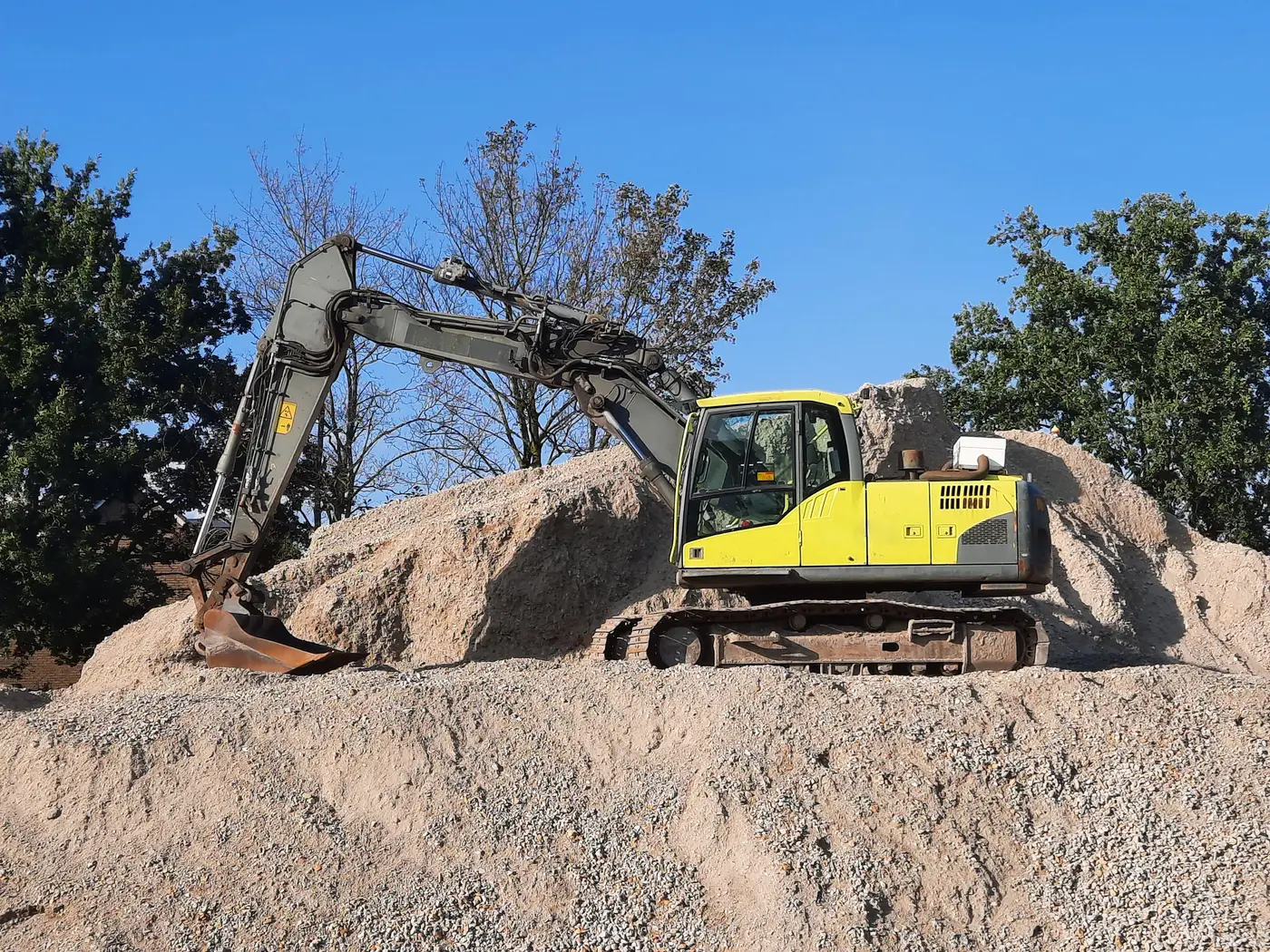
Ask three people in equipment remarketing what "blue book" means and you'll get three slightly different answers, but they're circling the same thing: a published baseline for what a given make, model, and year ought to be worth on a given day. In heavy equipment, that baseline mostly comes from EquipmentWatch (the old Green Guide crowd before the rebrand), with Rouse Analytics and Ritchie Bros' own transaction data feeding similar numbers from a different angle.
None of these guides are appraisals. They're starting points built from reported auction and dealer sale prices, sorted by model, model year, and sometimes hour range. Punch in a 2018 CAT 336 excavator and you get a number back. That number assumes average condition for the age and hours on file. It says nothing about the actual dozer sitting on your yard with a cracked windshield and a hydraulic leak nobody's logged yet.
Where the EquipmentWatch number comes from
EquipmentWatch pulls its figures from a large pool of reported transactions, then regresses them against age, usage, and region to spit out a value curve for each model. It updates on a rolling basis, so the number you pull in October reflects recent market softness or strength better than a guide that only refreshes annually.
What it can't do is see your specific unit. The guide has no idea if the undercarriage was replaced last year or if the cab smells like it's been sitting in standing water since spring. Two machines of the same model and year can sell $15,000 apart at the same sale, and the guide number sits somewhere in between, blind to both.
That's the gap condition grading is supposed to close, and historically it's meant someone with a flashlight and a checklist walking the yard, machine by machine, before a sale date gets locked in.
How condition grade moves the number off blue book
Most remarketers apply condition as a percentage adjustment to the guide figure: call it 85% of blue book for a unit with visible wear but sound structure, 60% for one that's clearly near end of life, maybe 105% for a low-hour machine with fresh paint and records to back it up. The guide gives you the center of the fairway. Grade is what tells the buyer, and the seller, where on that fairway this particular machine actually sits.
The trouble is that grading takes time nobody has when a fleet of 40 units needs a sale date next month. A full mechanical inspection on every machine isn't happening before a trade-in deadline or a lender's loan review. So condition often gets eyeballed from a lot walk, or skipped, and the blue book number goes out closer to list price than it should.
Setting an auction reserve against a moving target
Reserve price is where all of this gets real money attached to it. Set the reserve too close to blue book on a fleet that's run hard and it doesn't sell, the lot comes back unsold, and now the listing has a stale tag on it that depresses the next attempt too. Set it too low and you've left money sitting on the table on units that would've cleared higher with a buyer who looked closely.
Most auction houses expect the reserve to reflect condition, which means the seller needs a defensible grade in hand before the sale gets listed, well before the first bid comes in light.
This is the exact gap a condition read built off annual aerial imagery is meant to close: a graded roster, ranked by how close each unit sits to end of economic life, pulled without sending a crew to walk every yard first. It doesn't replace a mechanical teardown on a unit you're about to finance, but it gives you a defensible starting point before you set a reserve or quote a trade-in number.
Blue book gets you the model-year baseline. Condition grade is what tells you whether this particular machine earns that number, beats it, or falls well short, and a fleet-wide read on that is worth having before the sale date gets fixed, not after.