ECS-B2026-10-26
Wear item vs. structural defect: what actually moves a grade
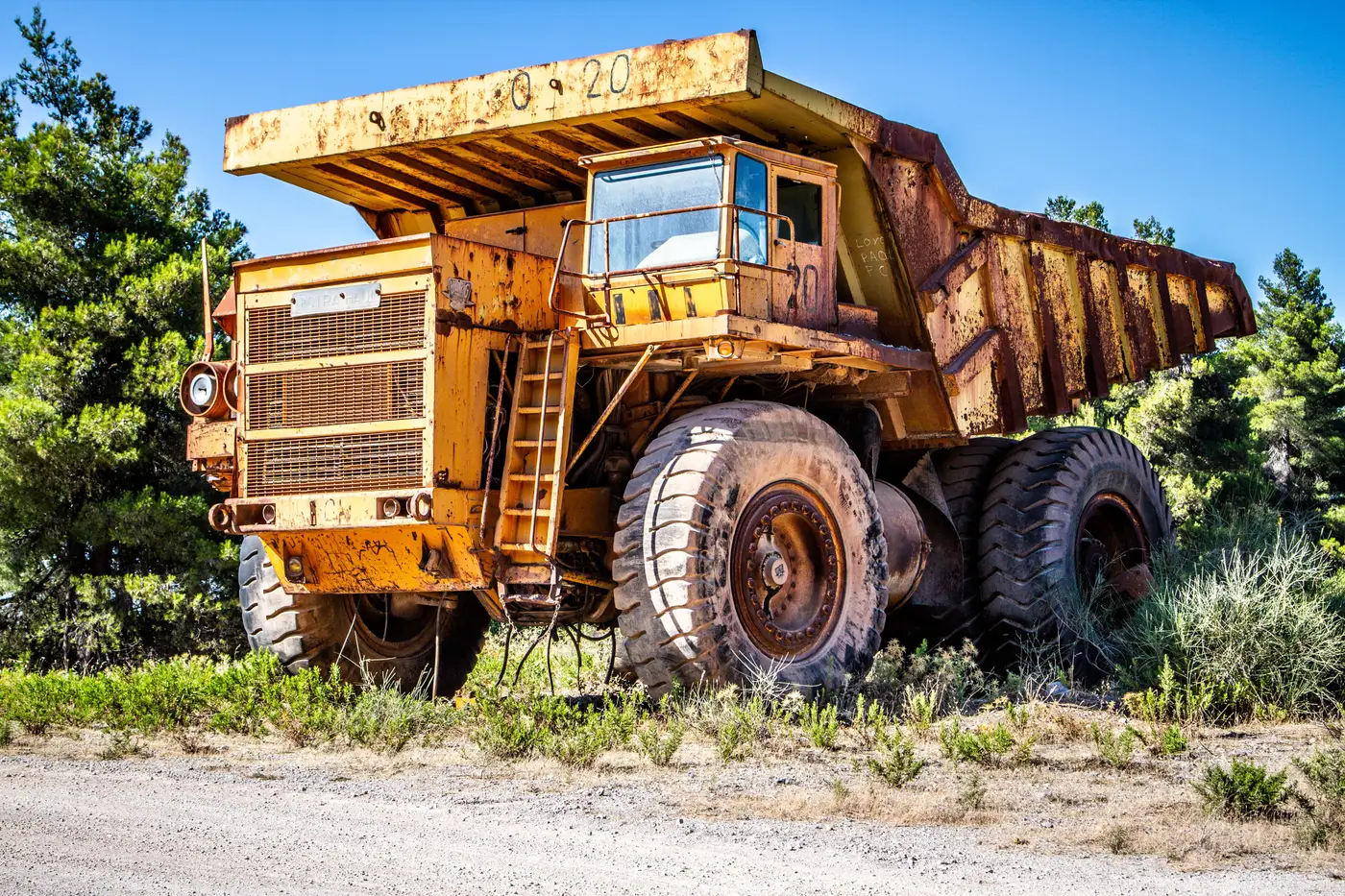
Every condition report has a line somewhere between "normal for the hours" and "this changes the number." That line is the wear item versus structural defect split, and it's the single most argued point between a seller's shop and a buyer's inspector at auction preview.
Get the split wrong on a bid sheet and you either leave money on the table or get a machine back on a claim. Here's how the trade actually draws the line.
What counts as a wear item
A wear item is anything that degrades with normal use and gets replaced on a schedule, not an incident. It's priced into the hour meter, not into the structural condition of the machine.
Think ground-engaging tools: bucket teeth, cutting edges, ripper tips. Undercarriage components on a dozer or excavator: track pads, rollers, idlers, sprockets. Tires on a wheel loader or articulated hauler. Hydraulic hoses, seals, filters. Cab glass, mirrors, a cracked taillight. Paint fade and surface rust on sheet metal that isn't load-bearing.
None of these tell you the machine is failing. They tell you how it was used and how soon the next owner needs to budget for a parts order. A grader with worn moldboard edges at 8,000 hours isn't a red flag, it's math. Wear items get a line item and a dollar figure, not a downgrade on the frame.
What counts as a structural defect
A structural defect is damage to a load-bearing or safety-critical member that affects the machine's ability to do its job without failing. This is the stuff that doesn't reset with a parts order.
Cracked or repaired frame rails. Boom or stick cracking on an excavator, especially anything welded over rather than replaced. Bent or twisted chassis on a hauler. Cracked rims, not the tire, the rim itself.
Pin bore wear that's gone past spec, where the bushing can't take up the slack anymore. ROPS or FOPS cab damage. Any crack in a weld on a structural joint, even a hairline one that's been ground and painted over to hide it.
The tell at preview is usually a repair that doesn't match the rest of the machine: fresh weld bead on an otherwise original frame, a patch plate, undercoating applied only in one spot. Those mismatches usually mean somebody tried to get the machine through inspection without taking the grade hit.
Why the split decides the number, not just the checklist
A wear item changes what the next owner spends in the first ninety days. A structural defect changes what the machine is worth, period, because it caps the hours you can safely put on it and it scares off financing. Lenders writing paper against equipment as collateral will discount or decline on structural findings in a way they simply won't for tire wear or hose seep.
This is why a condition report that lumps "undercarriage: fair" next to "frame: fair" is doing the reader a disservice. Fair undercarriage means new tracks in a year. Fair frame could mean the machine is three years from being parted out. Same word, completely different exposure.
Most remarketers build this split by hand off a shop walk-around: a tech with a pick hammer and a flashlight going machine by machine, photographing anything that looks like a repair rather than a wear pattern. That works. It also doesn't scale past a dozen units a week, and it tells you nothing about the forty machines still sitting on a yard you haven't gotten a crew to yet.
Equipment Condition Scoring was built for that gap. It reads surface condition and model-generation cues off annual flight imagery to flag where a fleet sits relative to end of economic life, site by site, without a crew walking every unit first. It won't replace the pick hammer on a unit you're about to title. It will tell you which units in a hundred-machine yard are worth sending the pick hammer to first.
If you're ranking a fleet before a resale or a loan decision and want that read before you schedule inspections, that's the use case Equipment Condition Scoring is built around.