ECS-B2026-11-23
Validating an aerial condition grade against the serial number record
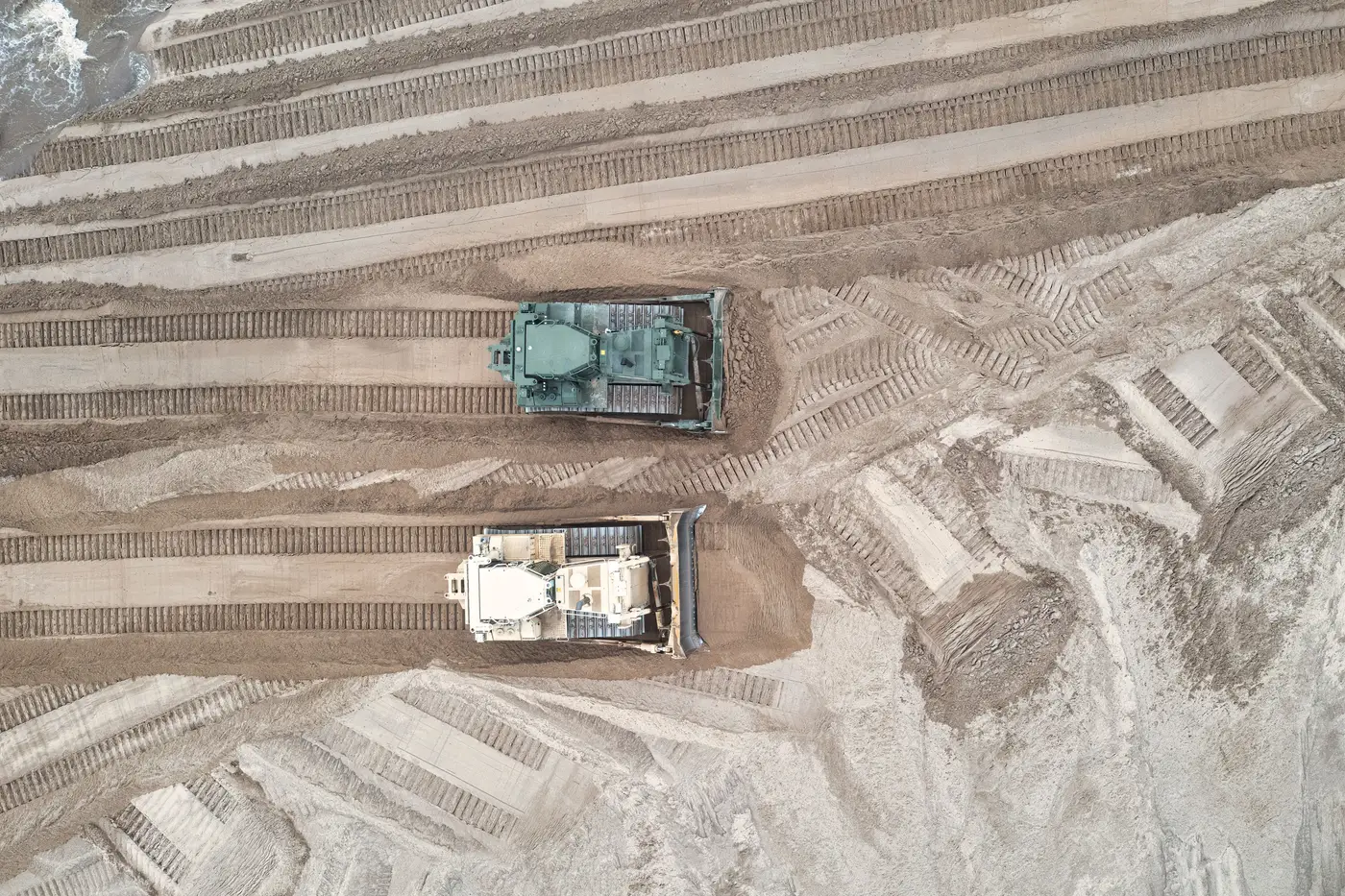
A condition grade pulled from a flight is only as good as what it gets matched against on the ground. If the serial number record says one thing and the grade implies another, somebody at the auction block or the loan desk is going to ask why, and "the drone said so" isn't an answer that holds up.
This is the part of fleet valuation that doesn't make it into the pitch deck: reconciling an aerial read with the paper trail that's already sitting in the DMS or the title file. Here's how that reconciliation works, and where it breaks.
Start with what the VIN plate actually tells you
The data plate or VIN plate gives you a build year, a model number, and sometimes a plant code. That's a hard fact. What it doesn't give you is condition, because a 2016 unit that sat under a shed and a 2016 unit that ran three shifts a day for a reseller in the Permian look nothing alike by year eight.
An aerial pass reads surface condition and model-generation cues, things like a grille shape, a boom profile, a decal layout that changed between a Series II and a Series III. Those cues can narrow a machine down to a generation even when the plate is corroded or painted over, which happens more than anyone wants to admit on a ten-year-old yard. The flight picks up everything the serial number would normally confirm, just read from altitude instead of off a rivet-mounted plate.
Where the two records should agree, and where they won't
When they match, the exercise is boring, which is the goal. The plate says 2017, the model-generation cue from the flight says third-generation body style, the grade reflects wear consistent with roughly eight seasons outdoors. Nothing to flag.
They disagree in a few predictable ways:
A unit gets re-plated after an engine swap or a frame repair, and the paper says newer than the sheet metal looks. A fleet buys used equipment mid-life and the title chain has a gap, so the serial record is thin on history even though the machine itself is fine. Or the aerial pass catches a generation cue that doesn't line up with the stated build year at all, which usually means a data-entry error somewhere upstream rather than a mystery machine.
None of these are fatal to a grading exercise. They're just the reason you don't treat an aerial grade as a replacement for the serial record. You treat it as a second instrument, and you reconcile the two before either one goes on a roster that a lender or a buyer is going to rely on.
Building a condition grade audit that survives a buyer's questions
A remarketer who's done this a few cycles keeps the reconciliation simple:
Pull the serial and build-year record first, from the title file or the DMS, whichever is the system of record for that fleet. Run the flight and generate the condition grade and the model-generation read for every unit on site. Sit the two side by side. Where they agree, move on. Where they don't, flag the unit for a closer look before it ships, rather than after a buyer finds the discrepancy themselves at the inspection.
That last part is the whole point of the audit trail. A buyer or a loan officer wants to see that somebody checked the grade against the record that already existed, with a note on where the two sources agree and where a human looked at the exception. That's what turns a condition grade from "a number we got from a flyover" into something a credit committee will sign off on.
Equipment Condition Scoring was built around that handoff: infer vintage from model-generation cues and surface wear off a single annual pass, rank the fleet by how close each unit sits to end of economic life, and hand back a roster built to sit next to the serial record, not replace it. If you're staring down a resale or a loan decision on a fleet you haven't walked yourself, this is the kind of read that gets you there without a workshop inspection.